
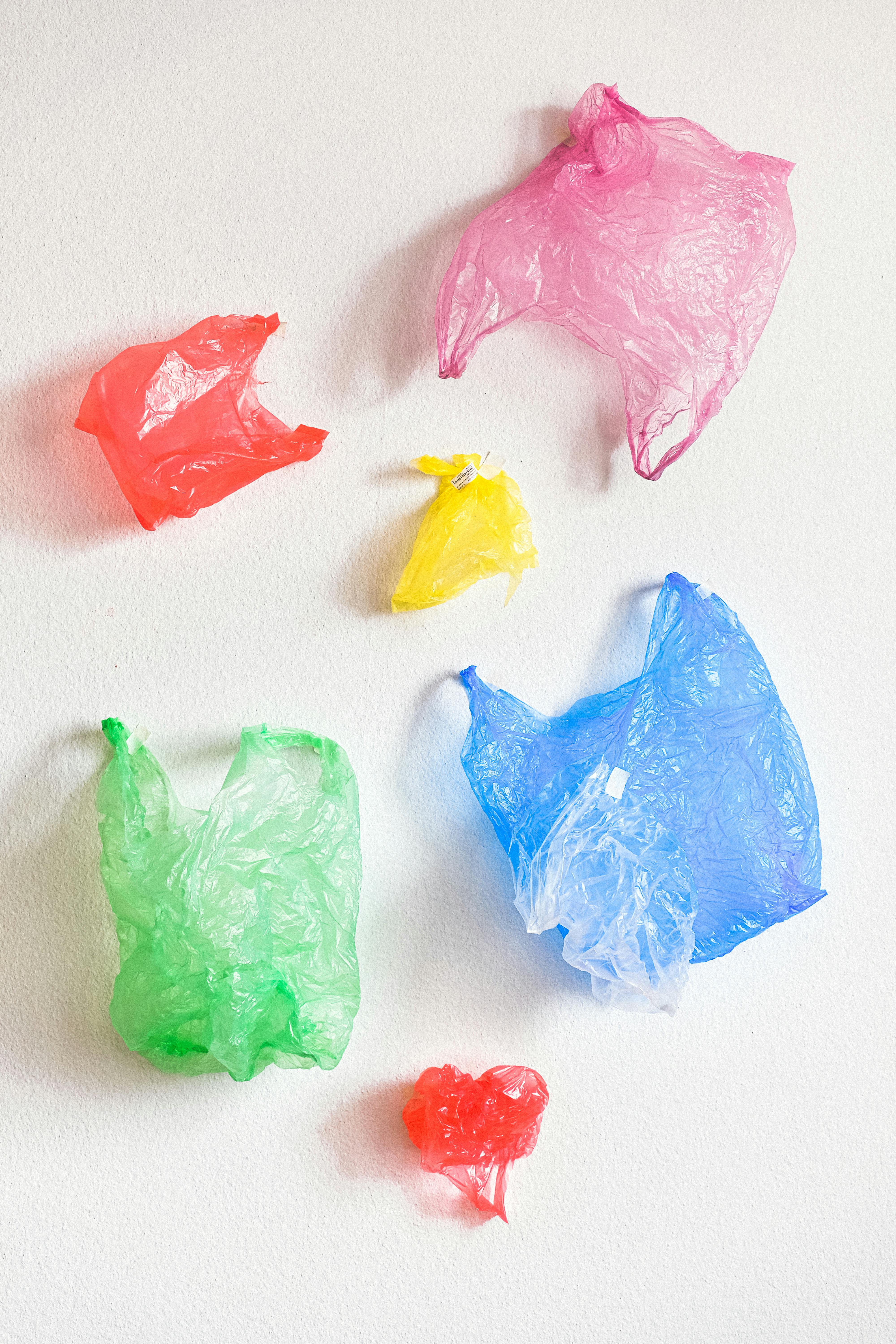
The problem with plastic
Plastic bags are convenient, but they stay in the environment for hundreds of years, piling up in landfills, oceans and natural habitats.
What plastic does to the places we live
Every year, millions of plastic bags are discarded improperly, causing long-term damage to ecosystems. They break down into microplastics that contaminate soil and water sources.
Marine animals often mistake plastic for food, leading to injury or death. Plastic production also relies heavily on fossil fuels, adding to carbon emissions and climate change.
- Severe land and ocean pollution
- Harms marine life and wildlife
- Releases toxic chemicals into the environment
A few minutes of use, centuries of waste
Day 1
Plastic is used for a few minutes.
After use
Discarded into landfills, streets, or oceans.
Years later
Breaks into microplastics, polluting the environment.
500+ years
Still remains, causing long-term damage.
Seven ways plastic causes harm
Enters the food chain
Breaks down into microplastics that end up in the human food chain.
Blocks drainage
Clogs drainage systems, leading to flooding and urban problems.
Fossil fuel dependent
Relies on fossil fuels, increasing carbon emissions and climate impact.
Harms soil
Reduces soil fertility by blocking air and water flow when buried.
Carries toxins
Acts as a carrier for harmful pollutants and toxins in the environment.
Outlasts generations
Persists in nature for centuries without breaking down safely.
Never goes away
Accumulates in landfills, oceans, and natural ecosystems.
Switch to packaging that returns to nature
Greenco Terrapack makes biodegradable bags in Kerala that perform like plastic and decompose naturally.
Discover biobags